
Containerisation and the Modern Shipping Industry: What It Means for Trade, Ports and Logistics Careers
Oct 01, 2021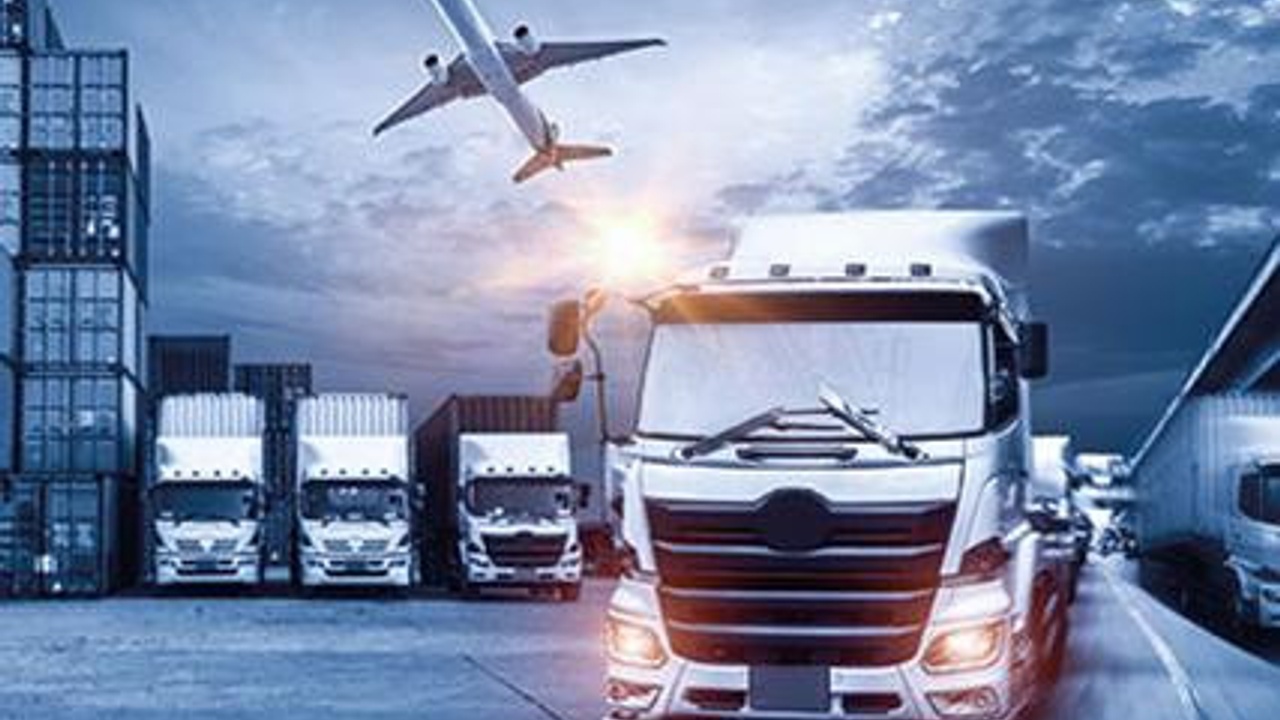
Containerisation and the Modern Shipping Industry: What It Means for Trade, Ports and Logistics Careers
Containerisation is one of the most important changes in the history of global trade. It transformed how non-bulk cargo moves around the world, changed the design of ports and ships, connected sea transport with road and rail, and reshaped the skills needed across shipping, freight forwarding, customs, logistics and supply chain management.
For students and professionals entering the industry, containerisation is not just a historical topic. It is still central to how global trade works today.
Before containers: slower, more labour-intensive cargo handling
Before modern containerisation, most general cargo was handled as breakbulk cargo. Goods were packed in bags, barrels, crates, cartons or pallets, then loaded and unloaded piece by piece. This process required large numbers of dock workers, took time, increased the risk of damage or loss, and made transfers between ships, trucks and rail more complex.
Ports were busy cargo-handling centres, but they were not yet the highly specialised container terminals we recognise today. Cargo movement depended heavily on manual handling, local port practices and documentation processes that varied between locations.
The container changed the system
The idea behind containerisation is simple: place cargo into a standard unit that can move across different modes of transport without being unpacked and repacked at each stage.
Historical developments in the 1950s helped turn this idea into a modern transport system. Clifford J. Rodgers was associated with early container ship operations in 1955. In 1956, Malcom McLean’s converted tanker, the Ideal-X, carried truck trailers by sea between Newark and Houston. These developments helped demonstrate the commercial potential of moving cargo in standardised units.
From there, containerisation developed into a global system. Standard containers allowed cargo to move more efficiently between ships, ports, trucks, trains and inland terminals. This reduced handling, improved planning and helped make long-distance trade more reliable.
Why standardisation mattered
The container’s impact came from standardisation. Standard sizes and handling systems meant that the same unit could be lifted by cranes, stacked in terminals, secured on ships, carried on trucks and moved by rail.
This supported the growth of intermodal transport, where cargo moves through a connected chain rather than as separate transport legs. A shipment can be packed at or near the exporter’s premises, moved inland by road or rail, loaded onto a vessel, discharged at a destination port, cleared through customs and delivered to the buyer with fewer physical handling points.
For freight forwarders, shipping lines, terminal operators, customs brokers and logistics providers, this created new opportunities and new responsibilities. Planning, documentation, compliance, scheduling and coordination became as important as physical cargo movement.
How containerisation changed ports
Containerisation transformed port infrastructure. Traditional breakbulk facilities were no longer enough. Ports needed container cranes, storage yards, gate systems, container freight stations, road and rail links, vessel planning systems and deeper operational coordination.
As container ships increased in size, ports also had to consider berth depth, quay length, crane outreach, yard capacity and landside connections. Major container hubs developed around the world, supported by feeder services, inland transport corridors and logistics parks.
Port capacity remains a current issue. A modern port is not only judged by the number of ships it can receive. It must also manage yard flows, truck turn times, rail connections, customs processes, digital systems, labour availability, equipment reliability and resilience during disruption.
How containerisation changed supply chains
Containerisation helped support global manufacturing and the development of international supply chains. Companies could source components, manufacture goods and distribute finished products across different countries with greater predictability than before.
It also supported just-in-time supply chain models, where businesses reduce inventory and rely on scheduled transport flows. This can improve efficiency, but it also creates exposure when disruption occurs.
Recent years have reminded the industry that efficiency must be balanced with resilience. Port congestion, equipment shortages, extreme weather, geopolitical tensions, regulatory changes and sudden demand shifts can affect cargo flows. Supply chain professionals now need to understand not only cost and speed, but also risk, visibility, contingency planning and supplier diversification.
Digital systems are now part of the container journey
Modern container logistics depends heavily on data. Shipping lines, freight forwarders, ports, customs authorities and cargo owners use digital systems to manage bookings, schedules, bills of lading, customs entries, container tracking, terminal appointments and delivery milestones.
Digital tracking has improved visibility, but it has also made data quality more important. Incorrect shipment details, missing documents, poor status updates or inconsistent reference numbers can delay cargo and create additional cost.
Cybersecurity is also a practical concern. Ports, carriers, logistics providers and traders rely on connected systems. Protecting shipment data, commercial information and operational platforms is now part of responsible supply chain management.
Customs and trade compliance are central to global movement
A container may move physically across borders, but it also moves through a legal and regulatory process. Customs declarations, tariff classification, valuation, origin rules, licences, sanctions screening, security filings and documentary requirements all affect whether cargo can move without delay.
This is why customs knowledge is essential for shipping and logistics professionals. A well-planned shipment can still face problems if the documentation is incomplete, the commodity code is wrong, the Incoterms are misunderstood or the importer and exporter have not met their compliance responsibilities.
As global trade rules continue to change, professionals who understand both logistics operations and trade compliance are valuable across freight forwarding, importing, exporting, shipping, warehousing and supply chain roles.
Environmental pressure is changing shipping and logistics
Containerisation made global trade more efficient, but the industry now faces pressure to reduce environmental impact. Shipping lines, ports, cargo owners and logistics providers are looking at fuel choices, vessel efficiency, port emissions, modal shift, route planning, equipment electrification and better use of capacity.
Environmental requirements are becoming part of commercial and operational decision-making. Students and professionals need to understand how regulation, customer expectations and operational choices influence the movement of goods.
What this means for logistics careers
Containerisation created a more connected industry. It also created a wider range of career paths. The modern shipping and logistics sector needs people who can understand operations, documentation, technology, regulation and customer requirements.
Important skills now include:
- Understanding container shipping processes and terminology
- Reading and preparing transport and trade documents
- Working with Incoterms, customs procedures and compliance requirements
- Coordinating shipments across sea, road, rail and inland terminals
- Using digital tracking and logistics systems accurately
- Managing delays, exceptions and customer communication
- Assessing supply chain risk and resilience
- Understanding port operations, freight forwarding and carrier relationships
- Recognising environmental and cybersecurity considerations
Technical knowledge matters, but so does judgement. The industry changes quickly, and professionals need to keep learning as regulations, systems, trade routes and customer expectations evolve.
A changing industry still built on practical knowledge
Containerisation changed the world by making global cargo movement more standardised, connected and scalable. It changed ships, ports, inland transport, supply chains, customs processes and logistics careers.
Today, the same industry is being shaped by digitalisation, capacity pressures, environmental regulation, supply chain resilience, cybersecurity and trade compliance. The fundamentals still matter, but they must be understood in a modern context.
For anyone studying shipping, working in logistics or planning a career in international trade, containerisation is a foundation topic. Understanding how the container system works helps explain much of the modern supply chain.
Explore ShippingCollege courses and training in shipping, logistics, freight forwarding, customs and international trade to build the practical knowledge needed for this changing industry.
Would you like more information about your course?
Stay connected with news and updates!
Join our mailing list to receive the latest news and updates from our team.
We hate SPAM. We will never sell your information, for any reason.
