
Opportunity Favours the Prepared in Shipping, Freight Forwarding and Logistics
Feb 01, 2022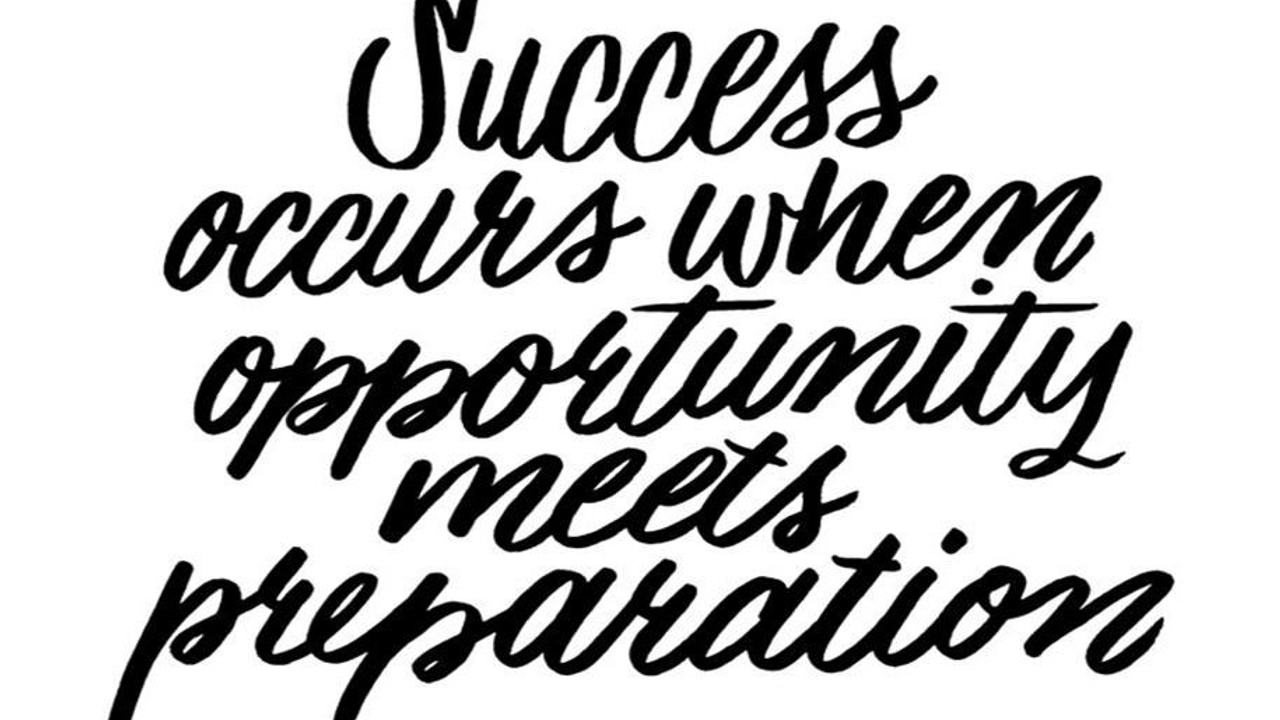
“Luck is what happens when preparation meets opportunity”
Whether or not we call it luck, the message is useful for anyone building a career in shipping, logistics, freight forwarding, customs, maritime, warehousing, transport, customer service or business.
Opportunities do not always arrive with a clear label. They may appear as a new role, a difficult project, a client problem, a change in regulation, a shift in technology, or a chance conversation with someone in the industry.
The people who benefit most are often not the ones who wait for the perfect moment. They are the ones who have been preparing steadily, learning the language of the industry, building useful skills and showing that they are ready to contribute.
Why preparation matters in shipping and logistics
Shipping and logistics are practical, fast-moving industries. Goods need to move, documents need to be correct, customers need updates, and teams need people who can think clearly under pressure.
At the same time, the industry continues to change. Digital systems, customs procedures, compliance requirements, sustainability pressures, customer expectations and global supply chain disruption all affect how work is done.
Preparation helps you keep up. It gives you a stronger foundation for understanding what is happening around you and how your role fits into the wider movement of goods, information and money.
For students, preparation can make the move from study to work feel less uncertain. For career changers, it can help connect previous experience to a new industry. For working professionals, it can support progression, confidence and better decision-making.
Preparing for opportunity before it arrives
Preparation does not need to be complicated. It often starts with consistent, practical steps.
- Learn the basics of the industry. Understand how shipping, logistics, freight forwarding, customs, warehousing and transport connect.
- Build your vocabulary. Terms such as bill of lading, Incoterms, demurrage, customs declaration, container, consolidation and last-mile delivery are part of everyday industry communication.
- Follow current developments. Read industry news, pay attention to port updates, regulatory changes, technology trends and customer service expectations.
- Understand documentation. Many delays, costs and customer issues begin with missing, late or inaccurate documents.
- Practise problem-solving. The industry rewards people who can stay calm, ask the right questions and find workable solutions.
- Improve communication. Clear updates, accurate emails and professional customer handling are valuable in almost every logistics role.
The aim is not to know everything. No one does. The aim is to build enough knowledge to ask better questions, understand the context and respond professionally when an opportunity appears.
Build skills that travel across roles
Career opportunities in shipping and logistics can take many forms. Some people begin in customer service, operations, documentation, warehousing or transport coordination. Others move into customs, sales, procurement, supply chain, compliance, management or business development.
Strong technical knowledge is useful, but transferable skills also matter.
- Attention to detail helps reduce documentation errors and avoid unnecessary delays.
- Time management helps you work with cut-off times, vessel schedules, delivery windows and customer deadlines.
- Commercial awareness helps you understand cost, service levels, risk and customer expectations.
- Customer service helps you manage enquiries, complaints and updates with professionalism.
- Teamwork helps you coordinate with carriers, agents, ports, warehouses, drivers, customs brokers and internal departments.
- Adaptability helps you respond when plans change, which they often do in logistics.
These skills are useful whether you are applying for your first role, changing career direction or preparing for more responsibility in your current organisation.
Use education to build credibility and confidence
Certificates, diplomas and structured courses can support your career readiness. They show that you have taken time to study the subject, understand key concepts and build relevant knowledge.
Education does not guarantee a job, promotion or higher earnings. Career outcomes depend on many factors, including experience, timing, market conditions, location, employer needs and personal performance.
However, relevant learning can make a difference in practical ways. It can help you:
- understand the industry more clearly;
- use correct terminology with confidence;
- connect your existing experience to shipping and logistics roles;
- prepare for interviews and workplace conversations;
- show commitment to employers, clients or colleagues;
- identify areas where you need more practice or exposure.
For career changers, this can be especially valuable. A qualification can help explain why you are serious about entering the industry and how you have prepared for the move.
Show commitment, not just interest
Many people are interested in a better role or a new career path. Fewer people take steady action before the opportunity arrives.
Commitment can be shown through small, consistent choices:
- completing a relevant course;
- reading industry updates each week;
- attending webinars or industry events;
- asking informed questions at work;
- volunteering for projects that build useful experience;
- keeping a record of what you have learned and achieved;
- building professional relationships with people in the sector.
A Chinese proverb says, “The best time to plant a tree was 20 years ago. The second-best time is now.” The same idea applies to career preparation. If you have not started yet, start with one practical step today.
Use qualifications well on your CV
A certificate or diploma is more useful when it is presented clearly. On your CV, do not simply list the course name and expect the reader to understand its value.
Make the connection between the qualification and the role you want.
For example, you might include:
- the course or qualification title;
- the training provider;
- the completion date or expected completion date;
- relevant topics covered, such as freight forwarding, customs, shipping documentation, warehousing, transport or customer service;
- practical skills gained, such as understanding shipment processes, documentation flow or industry terminology.
If you are changing careers, use your CV profile to connect your previous experience with your new direction. For example, customer service, administration, sales, finance, operations, data entry, project coordination and people management can all be relevant in parts of the shipping and logistics industry.
Talk about learning in interviews
In an interview, qualifications can help start a useful conversation. Be ready to explain what you studied and why it matters to the role.
You might prepare answers to questions such as:
- What attracted you to shipping and logistics?
- What have you done to prepare for this role?
- Which parts of the course were most relevant?
- How does your previous experience connect to this position?
- What do you still want to learn?
Good answers are specific. Instead of saying, “I completed a course because I want a job in logistics,” you could say, “I wanted to understand how goods move internationally, how documentation affects delivery, and how freight forwarding, customs and transport teams work together. The course helped me build that foundation.”
This shows preparation, self-awareness and genuine interest.
Keep learning after the first opportunity
Preparation does not stop when you get a job, complete a course or receive a certificate. In shipping and logistics, there is always more to learn.
New systems are introduced. Regulations change. Customer expectations shift. Trade routes are disrupted. Warehousing and transport methods evolve. Businesses look for better ways to control cost, improve service and manage risk.
Continuous learning helps you stay useful. It also helps you notice opportunities that others may miss.
You can continue learning by:
- refreshing your knowledge of key industry topics;
- taking short courses in specialist areas;
- learning from experienced colleagues;
- reviewing mistakes and asking what could be improved;
- following changes in customs, compliance, technology and transport;
- building both technical and communication skills.
The goal is not to collect qualifications for the sake of it. The goal is to become more capable, more aware and better prepared for the work you want to do.
Opportunity becomes clearer when you are ready
Opportunity can still involve timing, chance and circumstances outside your control. But preparation puts you in a stronger position to recognise an opening and respond well.
If you are a student, preparation can help you enter the industry with more confidence. If you are changing careers, it can help you build a bridge from where you are to where you want to go. If you are already working, it can help you stay current and ready for the next challenge.
In a practical industry like shipping and logistics, readiness matters. Knowledge, skills, commitment and continuous learning all help you make better use of the opportunities that come your way.
Explore ShippingCollege courses
If you want to build your knowledge of shipping, logistics, freight forwarding, customs, warehousing, transport, customer service or business, explore the courses available through ShippingCollege.
Choose a course that matches your current stage, your career goals and the skills you want to strengthen.
Would you like more information about your course?
Stay connected with news and updates!
Join our mailing list to receive the latest news and updates from our team.
We hate SPAM. We will never sell your information, for any reason.
