
Why Shipping Markets Change Quickly and What That Means for Global Trade
Nov 03, 2021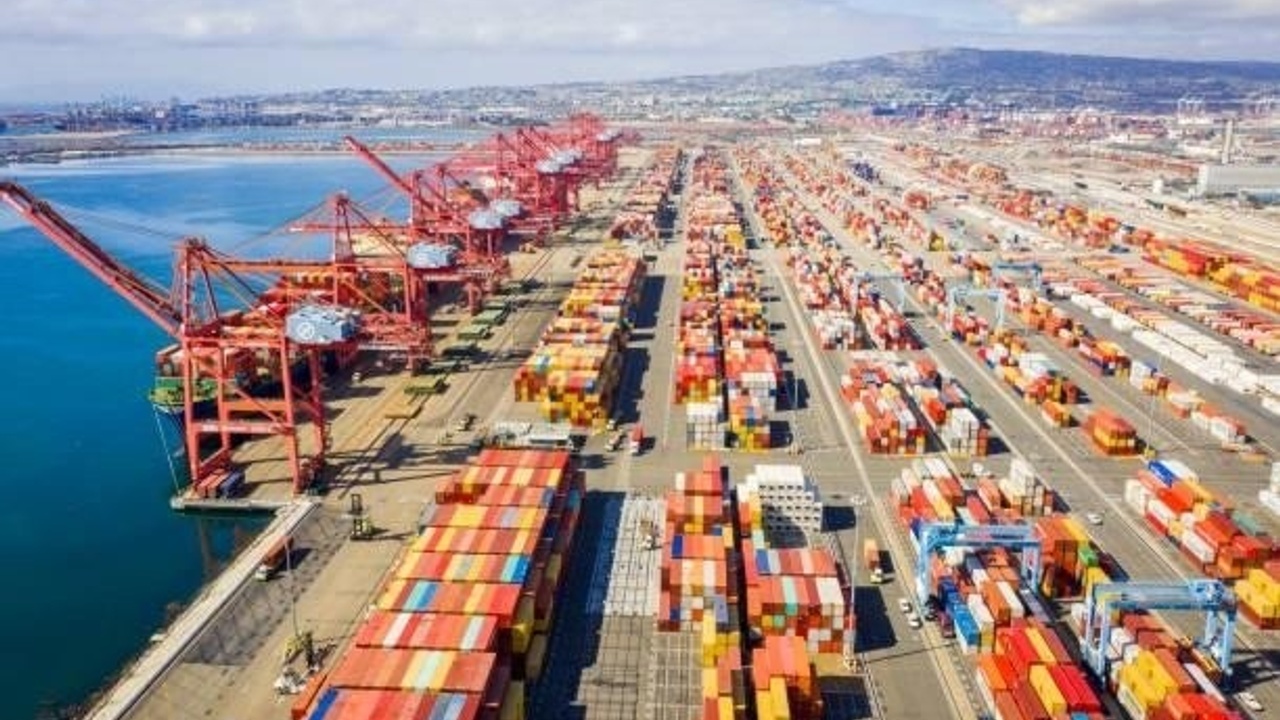
Why Shipping Markets Change Quickly and What That Means for Global Trade
Shipping markets can change faster than many people expect. Freight rates can rise or fall within a short period. Vessel space can become tight on one trade lane while remaining available on another. Carrier earnings can shift from strong to weak as market conditions adjust. Supply chains can move from stable to disrupted because of congestion, weather, policy changes, labour issues, geopolitical events or infrastructure constraints.
For students and professionals in shipping, freight forwarding, logistics, maritime transport, supply chain and international trade, this is an important lesson: shipping is not a fixed system. It is a live global network shaped by demand, capacity, cost, regulation, risk and operational performance.
Understanding why shipping markets change quickly helps professionals make better decisions, ask better questions and manage risk more effectively.
Shipping is driven by global demand
The first reason shipping markets change quickly is that demand for transport is linked to demand for goods.
When retailers, manufacturers, energy companies, commodity traders and consumers require more goods to move, demand for shipping capacity increases. When orders slow, inventories rise, consumer spending changes or industrial production weakens, demand for shipping capacity can fall.
This affects different shipping sectors in different ways. Container shipping is closely linked to manufactured goods, retail products, e-commerce, components and intermediate goods. Dry bulk shipping is tied to commodities such as iron ore, coal, grain, bauxite and fertilisers. Tanker markets are influenced by crude oil, refined products, chemicals and energy trade flows. Ro-ro and project cargo markets depend on vehicles, machinery, infrastructure projects and industrial activity.
Because global demand can shift quickly, shipping demand can also shift quickly.
Small changes in capacity can have large effects
Shipping markets are sensitive because vessel capacity is expensive, mobile and not always available where it is needed.
If demand increases and vessel space is limited, freight rates may rise. If demand weakens while too many vessels are available, freight rates may fall. This relationship between supply and demand is one of the most important forces in shipping.
Capacity is affected by many practical factors, including:
How many vessels are deployed on a route How many sailings are cancelled or adjusted How long vessels wait at ports Whether ships must take longer routes How much time is spent in dry dock or maintenance Whether new vessels are delivered into the market Whether older vessels are removed, scrapped or slowed down
Capacity is not only about the number of ships in the world fleet. It is also about where those ships are, how fast they are moving and how efficiently ports, terminals, inland transport and documentation processes are working.
Freight rates react to imbalance
Freight rates often move when there is an imbalance between cargo demand and available capacity.
When shippers compete for limited vessel space, rates can increase. When carriers compete for limited cargo, rates can decrease. This can happen across container shipping, dry bulk, tankers, air freight and other transport markets, although each sector has its own pricing structure and commercial practices.
In container shipping, spot rates may move faster than long-term contract rates. In tramp shipping, charter rates can change quickly depending on vessel availability, cargo demand and positioning. In tanker and bulk markets, voyage economics can shift when fuel prices, port delays, route changes or cargo flows change.
This is why freight rates are not simply a transport price. They are a signal of market pressure.
Carrier earnings can change quickly
Carrier earnings are closely linked to freight rates, utilisation, operating costs and network efficiency.
When freight rates are strong and ships are full, carriers may earn more. When rates weaken, cargo volumes slow or costs rise, earnings can reduce quickly. Even large shipping companies are exposed to market cycles because their assets are expensive and their operating costs are significant.
Major cost factors include:
Fuel and bunker costs Vessel charter costs Port and terminal charges Canal and route-related costs Crew, maintenance and insurance Equipment repositioning Compliance with environmental and safety regulations
A carrier may appear profitable in one market phase and face pressure in another. This is not unusual. Shipping is cyclical by nature.
Blank sailings are used to manage capacity
In liner shipping, carriers may adjust capacity by changing schedules, consolidating services or cancelling sailings. A cancelled sailing is often called a blank sailing.
Blank sailings can be used when demand is lower than expected, when operational delays affect schedules or when carriers need to rebalance a network. They can help carriers reduce excess capacity, but they can also create challenges for shippers and freight forwarders.
For cargo owners, blank sailings may mean fewer departure options, longer lead times, delayed cargo, rolled bookings or the need to find alternative routing. For freight forwarders, they require active communication, planning and visibility across carrier options.
Blank sailings show that shipping supply is actively managed, not fixed.
Port congestion can reduce effective capacity
Port congestion is one of the clearest examples of how operational conditions affect shipping markets.
When vessels wait outside ports, berth availability is limited, terminals are crowded or inland connections are delayed, ships spend more time completing each voyage. This reduces effective capacity because vessels are tied up instead of carrying new cargo.
Congestion can be caused by many factors, including:
High cargo volumes Weather disruption Labour shortages or industrial action Limited yard space Slow customs clearance Rail or truck capacity constraints Equipment shortages Infrastructure limitations
When congestion appears at major gateways, the effects can spread across trade lanes. One delayed vessel may miss its next schedule window. Containers may not be available where they are needed. Exporters may struggle to secure equipment. Importers may face longer delivery times.
Port performance is therefore a major driver of supply chain reliability.
Geopolitical disruption can change trade flows
Shipping is exposed to geopolitical risk because vessels move across international waters, trade corridors, canals, chokepoints and ports controlled by different governments and authorities.
Geopolitical disruption can include conflict, sanctions, security risks, port restrictions, trade disputes, export controls and changes in customs or trade policy. When these risks increase, ships may avoid certain areas, take longer routes, face higher insurance costs or adjust service networks.
Trade flows may also change. Buyers may source from different countries. Exporters may seek alternative markets. Companies may redesign supply chains to reduce exposure to specific risks.
These changes can alter vessel demand, routing, transit times and freight costs.
Canal restrictions and chokepoints matter
Global shipping depends on strategic waterways and chokepoints. Canals, straits and key maritime corridors help reduce voyage distance and connect major production and consumption regions.
When canal capacity is restricted, transit rules change, water levels affect operations or security risks increase near a chokepoint, shipping networks must adapt. Vessels may wait longer, pay higher fees, reduce cargo intake or use longer alternative routes.
Longer routes affect the market in several ways:
More fuel is consumed Transit times increase More vessels are needed to maintain weekly services Schedule reliability can decline Inventory planning becomes more difficult Freight costs may rise because capacity is absorbed
This is why canal restrictions and maritime chokepoints are closely watched by shipping professionals.
Fuel costs affect every voyage
Fuel is one of the largest operating costs in shipping. Changes in bunker prices can affect voyage costs, carrier pricing, charter decisions and route economics.
When fuel costs rise, carriers may apply bunker adjustment factors, adjust service speeds, optimise routing or review network costs. When fuel costs fall, the economics of certain routes and services may improve.
Fuel is also connected to environmental regulation. As shipping moves toward lower-emission operations, companies must consider fuel type, vessel efficiency, emissions reporting, carbon costs and compliance obligations.
The cost of moving goods by sea is therefore linked not only to distance and demand, but also to energy markets and regulation.
Environmental regulation is reshaping shipping decisions
Environmental regulation is becoming a central factor in shipping strategy and cost management.
Shipowners, operators, charterers and cargo interests must pay attention to emissions rules, fuel standards, vessel efficiency requirements and reporting obligations. Compliance can affect vessel speed, investment decisions, fuel selection and fleet deployment.
Environmental regulation can influence the market by:
Increasing demand for more efficient vessels Encouraging slow steaming to reduce emissions Changing the economics of older ships Adding reporting and compliance responsibilities Increasing attention on carbon data and supply chain emissions
For logistics and trade professionals, this means sustainability is no longer separate from operations. It is part of cost, service, compliance and procurement decisions.
Customs and trade compliance can slow or redirect cargo
International shipping does not depend only on vessels and ports. It also depends on documents, customs rules, trade controls and regulatory compliance.
Incorrect documentation, classification errors, sanctions exposure, missing licences, valuation issues or changes in import requirements can delay cargo and increase cost. In some cases, compliance risks can stop cargo from moving at all.
Trade compliance affects shipping markets because cargo does not move smoothly unless the legal and documentary requirements are correct. Delays at the border can create storage costs, missed delivery windows, port congestion and customer service problems.
Professionals in freight forwarding, logistics and supply chain management need to understand that compliance is part of operational performance.
Digital visibility helps, but data quality matters
Digital tools have improved visibility across shipping and logistics. Many companies now use tracking platforms, transport management systems, port data, carrier updates, customs systems and predictive analytics to monitor cargo movement.
Better visibility helps teams identify delays earlier, communicate with customers and adjust plans. It also supports better forecasting, performance measurement and risk management.
However, digital visibility is only as useful as the quality of the data behind it. Inaccurate milestones, delayed updates, inconsistent carrier data, missing container events or poor integration between systems can create confusion.
Shipping professionals should understand both the value and the limits of visibility tools. Technology helps, but it does not remove the need for operational knowledge, good communication and sound judgment.
Supply chain resilience has become a core skill
Because shipping markets change quickly, supply chain resilience is now a core business priority.
Resilience means the ability to continue operating when conditions change. It does not mean avoiding all disruption. It means preparing for disruption, responding quickly and reducing the impact on customers, cost and service levels.
Practical resilience measures include:
Using more than one carrier or service option Reviewing alternative ports and routes Building realistic lead times into planning Improving supplier and customer communication Maintaining accurate documentation and compliance controls Monitoring risk across trade lanes and transport modes Using reliable data to support decisions Balancing cost efficiency with service reliability
In a fast-changing market, the lowest freight rate is not always the best supply chain decision. Reliability, flexibility, visibility and risk management also matter.
What this means for global trade
Shipping markets affect global trade because transport is a critical link between buyers and sellers. When shipping is reliable and affordable, trade flows more smoothly. When capacity is tight, routes are disrupted or costs rise, businesses may face delays, higher landed costs and changes in sourcing decisions.
For importers and exporters, shipping volatility can affect:
Product availability Inventory levels Delivery promises Cash flow Landed cost calculations Customer satisfaction Supplier performance Market competitiveness
For freight forwarders and logistics providers, volatility creates both challenges and responsibility. Customers need clear advice, realistic planning and timely updates. They also need professionals who can explain what is happening in the market and what options are available.
For students and early-career professionals, this is one of the most important lessons in shipping: markets are dynamic. Operational details, commercial decisions and global events are connected.
How to read a changing shipping market
To understand shipping market changes, look beyond the freight rate alone. A rate movement is usually the result of several factors working together.
Useful questions include:
Is demand increasing or decreasing on this trade lane? Is vessel capacity being added, removed or delayed? Are carriers using blank sailings or schedule changes? Are ports congested or operating normally? Are vessels being rerouted because of security, canal or weather issues? Are fuel costs changing? Are new environmental or trade compliance rules affecting operations? Is data visibility accurate enough to support decisions? Are customers and suppliers prepared for longer lead times?
These questions help turn market noise into practical analysis.
Key takeaway
Shipping markets change quickly because the industry sits at the centre of global demand, vessel capacity, port operations, fuel costs, regulation, geopolitical risk and supply chain planning.
Freight rates, carrier earnings and supply chain conditions are not fixed. They move as the balance between cargo, capacity, cost and risk changes.
For anyone working in shipping, freight forwarding, logistics, maritime transport, supply chain or international trade, understanding these drivers is essential. It helps professionals explain market changes, manage customer expectations, reduce risk and make better commercial decisions.
To build stronger knowledge in shipping, logistics and global trade, Explore ShippingCollege courses.
Would you like more information about your course?
Stay connected with news and updates!
Join our mailing list to receive the latest news and updates from our team.
We hate SPAM. We will never sell your information, for any reason.
